
Saying “No” to Screentime: Tactics Without The Tablets (and the Mom Guilt)
We’re not a tablet family.
Not because screens are evil. Screentime is literally survival somedays in our home.
Not because we’re stricter, more disciplined, or doing parenting ‘right’ (lol, what even does that mean?).
We’re not a tablet family because we chose not to be. And also because I deal with enough mom-guilt on the daily as it is, I don’t need to add another reason to the mix.
Before having kids, we said we wouldn’t be tablet parents. And let me tell you, if there’s one thing i ‘get’, it’s why parents are. Would it make our lives much easier some (most) days? You better believe it. But we’re sticking to our guns.
Here’s the thing. Kids don’t just own tablets. They’re given them. Reliance on screens isn’t something kids naturally come wired with; it’s something that’s created over time. And while screens absolutely have a place in modern childhood, we’ve found that how and when they’re used makes all the difference, for us at least.
When Tablets Enter the Chat (Earlier Than You Expect)
My daughter was introduced to tablets at two years old, not at home, but through a friend. One minute they were playing, the next minute there was a glowing screen in tiny hands and I was thinking, oh sh*t…this is already happening. Like, now.
And that’s the reality. Tablets aren’t just in our homes. They’re at playdates, family gatherings, restaurants, and waiting rooms. Avoiding them entirely isn’t realistic, but shaping how our kids relate to them is.
What We Save Independent Play For
In our home, independent, focused play doesn’t happen on a tablet. That’s the way it is.
That space is reserved for:
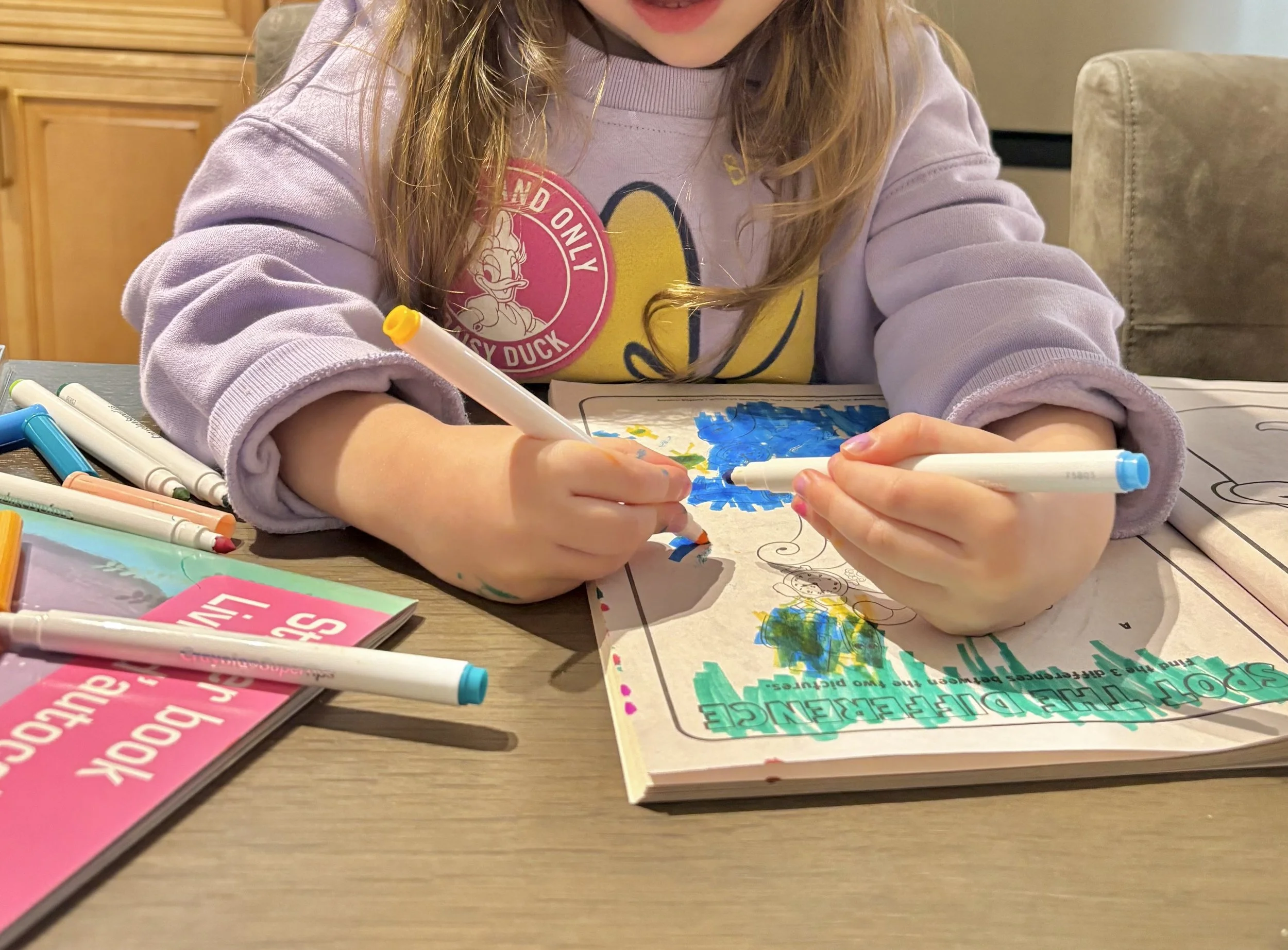
Colouring books and crayons
Building blocks
Puzzles
Pretend play (dolls, kitchens, dress-up, action figures)
These activities build patience, creativity, fine motor skills, and the ability to sit with boredom long enough for imagination to kick in. As I always say, imagination thrives from boredom, so let them be bored!
I’ve taken my kiddo on playdates where tablets are the hot commodity. Kids gathered around a screen, while my child is outside throwing a baseball in the yard. Not because she’s ‘better’, (and if I’m being honest, her overhand could use some practice), but because that’s the kind of play we’ve created and protected in our home. And yeah, sometimes she circles back inside thinking wait, what are they watching?
Totally normal. Totally okay.
Yes, We Do Screen Time Intentionally
Do our kids get screen time?
Yes.
Do they sometimes use tablets?
Also yes.
But those moments are intentional and controlled, not default or unlimited.
For us, tablets usually come out in two situations:
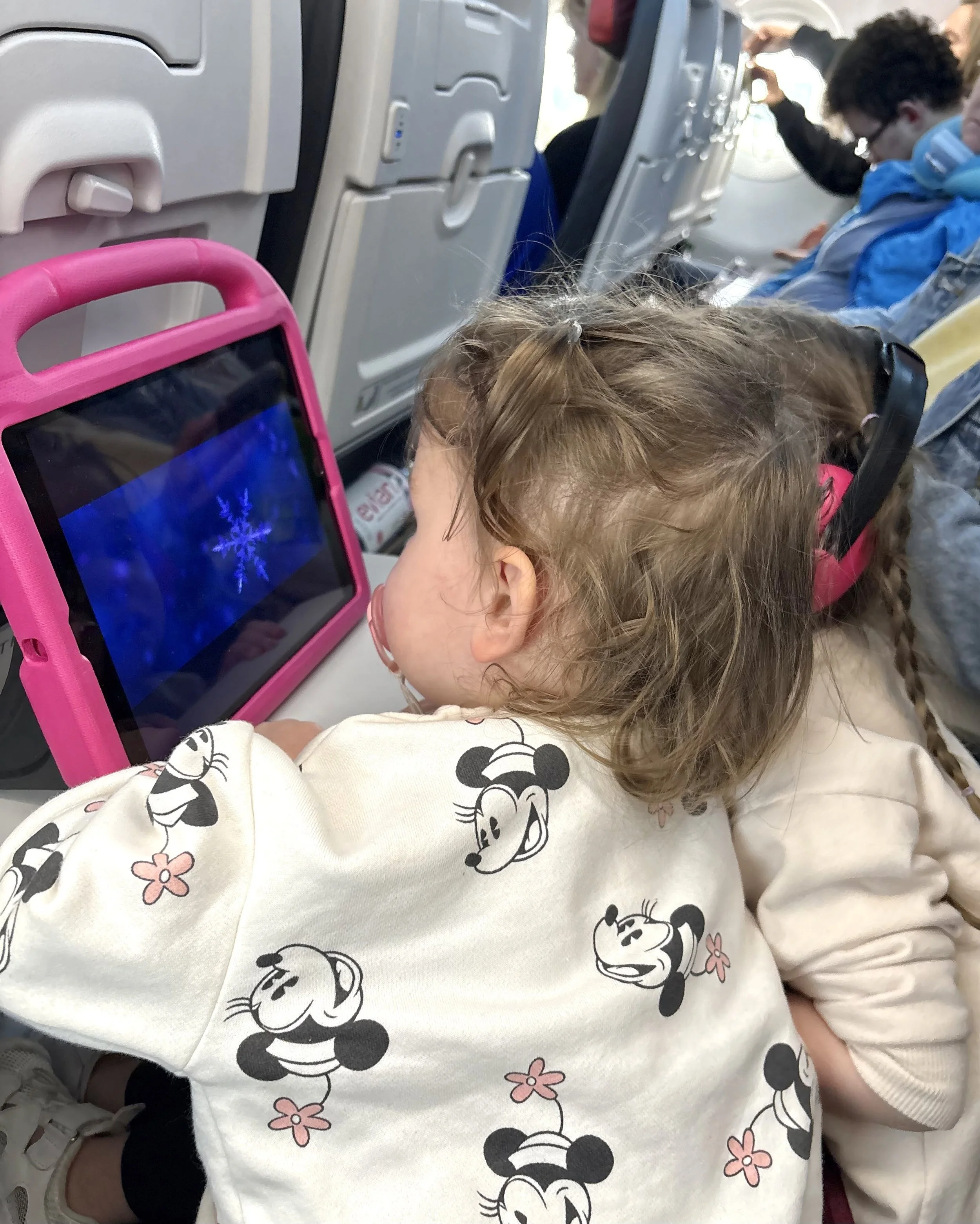
Travel (planes, long waits)
Restaurants when we need a calmer moment
And to be completely honest, half of the time we’re trying to supercharge them 15 minutes before running out the door because it’s really not that often. The thing is, even then, mom and dad are still in charge of what they’re watching or playing, and how long the tablet stays out. (A timer exists because time blindness is real for both kids and parents.)
Parental Controls Aren’t Optional
First things first: if your child has access to a tablet, parental controls should be non-negotiable.
Parents can (and should);
Set daily time limits
Restrict app downloads
Block in-app purchases
Turn off chat features and online interactions
Control what content is accessible
Before handing a game or app over to little hands, play it yourself first.
Know how it works.
Know what ads pop up.
Know if it connects to other people.
And if at all possible, download games that don’t require internet access. Offline games mean fewer surprises, fewer ads, and fewer “how did you even get to that screen?” moments. The last thing you need is your 3 year old facetiming your boss while your out at dinner on a Friday night.
Online Safety Starts Earlier Than You Think
It’s never too early to talk to kids about online safety.
Even toddlers can understand simple concepts like:
“We don’t talk to strangers on screens.”
“We ask mom or dad before clicking something new.”
“Screens stay where grown-ups can see them.”
Tablets stay in shared spaces. And if they’re playing, we’re in the room. Not hovering, not policing, just present. (Also because silence from toddlers is usually suspicious.)
Screen Time Can Be Earned
In our home, screen time isn’t automatic.
It’s something that can be earned through other activities, especially reading and fine motor play.
You can use it to leverage other things like:
Colouring or drawing
Building something
Playing pretend
Helping with simple tasks
This helps kids see screens as one option, not the only option, and not the reward for doing nothing. And definitely not the reward for whining. Yep, we’ve been there too.
When Screens Start to Take Over
It’s easy for kids to develop what feels like an obsession with a specific game or app. Bright visuals, constant rewards, and predictable outcomes are powerful.
If you’re noticing meltdowns when the tablet goes away, constant asking, or disinterest in other play, that’s a signal, not a failure.
Cutting back doesn’t have to be cold turkey.
It can be a transition.
Start by:
Shortening sessions gradually
Offering engaging alternatives before screen time
Rebuilding play skills through shared activities
Helping kids develop interests outside the house
As kids rediscover play elsewhere, the grip of the screen often loosens naturally.
A Dose of Reality (Because Parenting Is Hard)
Here’s the honest part.
Sometimes we need peace and quiet.
Sometimes we’re touched out, overstimulated, and surviving on coffee and snacks from our kids’ plates.
Sometimes the tablet feels like the pacifier we need.
And that’s okay.
Our kids can play with tablets without being tablet kids.
Parenting doesn’t require perfection. It requires intention, flexibility, and grace, for both our kids and for ourselves.
They’re growing up in a world full of digital access. That reality isn’t going anywhere. But childhood is short.
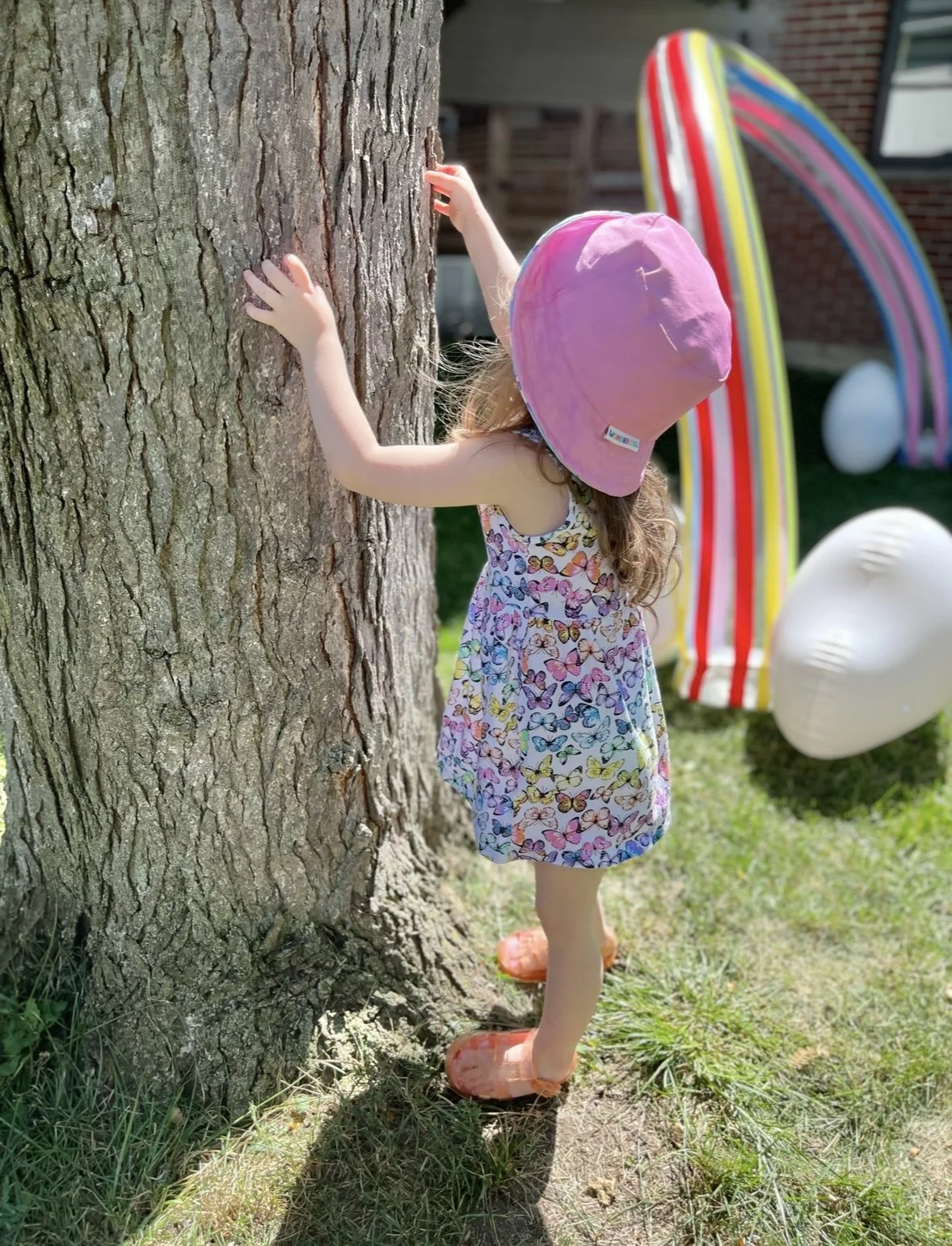
If we can protect a little more space for play, imagination, climbing trees, dirt, boredom, and baseballs in the yard, even if it’s imperfect, it’s worth it.
Let’s let them be kids a little while longer.
